
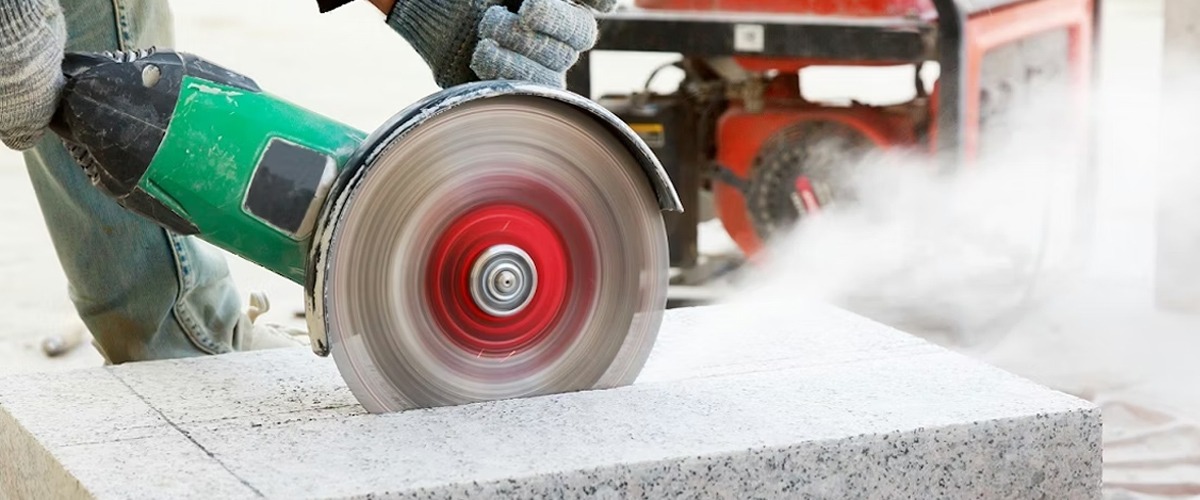
Stone cutting involves a high level of precision, control, and selection of proper blades. For home projects and huge constructions, it is important to choose the right type of blades for proper completion. Most individuals find it difficult to choose between marble and granite cutting blades for dry and wet methods. This is because both options have their pros, which should be considered when making decisions.
Water is applied to the wet cutting blades in order to reduce heat from the blades and the materials while the cutting is being done. Water is sprinkled on the blades and materials during the process, and there are many benefits that come with its application. Firstly, the cooling effect reduces the temperature of the blades; hence, they remain strong and are not weakened because of continuous use. Dust formation is minimised by the application of water, and therefore, pollution during the process is reduced significantly. Dust is minimised and absorbed in the water.
A dry cutting blade requires no water at all. Air is used to keep the blade cool. Therefore, this blade will be easy to use in temporary operations and even outdoors. You will not be restricted in movement since no water is needed. Dry cutting will come in handy, especially if the job is being done in places where water is not available. It is most preferred, especially when one needs to make cuts quickly without having to make them accurate.
When you compare wet and dry Marble Granite cutting blades, a few factors stand out. Heat control plays a major role. Wet cutting keeps temperatures low, while dry cutting creates more heat.
Dust management also differs. Wet cutting reduces airborne particles, while dry cutting releases more debris into the air. This can affect visibility and safety during work.
Finish quality varies between the two methods. Wet cutting provides smoother edges, while dry cutting may leave uneven surfaces. Your choice depends on the level of detail your project requires.
Consider your working conditions and project objectives. Are you required to achieve a smooth result for interior stone installation? Then wet cutting may be appropriate for you. It provides more control and minimizes mess.
Are you working outdoors or on projects that require prompt results? In this case, dry cutting may help you save time and energy. It gives you freedom of movement and helps you complete the job quickly.
Finally, think about the nature of your materials. Perhaps hard stones such as granite would require the cooling effects of water. Other softer materials could be suitable for dry cutting in some instances.
Safety should guide your decision. Wet cutting reduces dust exposure and keeps the blade stable. This creates a safer work environment.
Dry cutting requires careful handling. You need proper masks and eye protection to deal with dust. You also need to monitor blade temperature to avoid damage.
Efficiency depends on how you balance speed and quality. Wet cutting may take more setup time, but it delivers refined results. Dry cutting offers speed but may require extra finishing work.
Deciding between a wet and dry blade for cutting Marble Granite depends on what you want. Each blade is valuable if it is put to the correct use. Spend some time assessing the project and the environment you are working in. Is precision important to you? Are you more interested in a speedy process? The answers will help decide which blade suits you best.
The good news for you is that you don't need to go anywhere because you have already come to the right place. To buy the best marble granite cutting blades in Dubai, call us now at +971 58 199 30 40.
The brand name An'amta, is derived from The Quran (which means Almighty has bestowed favor), is the motivational word of Anamta Internationals LLC FZ.
© Anamta 2025 All rights reserved.